What You Need to Know about Humidity in the Classroom
Educators and students working inside South Carolina schools can count themselves lucky if their building has air conditioning to help combat the sticky humidity prevalent most of the year. Even with air conditioning, however, ventilation and humidity control can still be a problem inside classrooms, and indoor air quality is important for the health and academic success of its students.
The ideal humidity level is around 30-50%, and any deviations outside these parameters can affect both students and teachers. Take a look at what these effects are and what can be done to help control humidity levels inside schools and the classroom.
Low Humidity
A classroom with a low relative humidity below 30% holds very little moisture in the air. As a result, students and teachers will feel uncomfortable and notice a spread of illnesses, especially in crowded classrooms. Studies show that students experience a lack of energy and focus when air temperatures are not the right humidity. Dry air causes the skin, eyes, throat and mucous membranes to feel dry and itchy, which can be distracting to students.
The presence of lower humidity encourages the growth of certain bacteria and viruses, especially when air circulation and humidity control is lacking. Here are a few examples of illnesses that can thrive and spread in classrooms:
- Measles
- Influenza
- Human rotavirus
- Rubella
- Herpesvirus
- Streptococcus
- Mycoplasma pneumonia
High Humidity
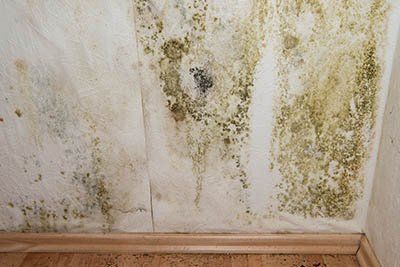
A classroom with a high relative humidity experiences air that is very moist, making students feel overly chilled or sticky depending on the temperature. All that extra water in the air facilitates the growth of bacteria, mold, fungus and dust mites. This growth is harmful to students and teachers in many ways.
- Poorly ventilated spaces will develop odors in the presence of fungus.
- Increase of allergens can trigger asthma symptoms and even lead to new-onset asthma.
- Mold growth produces certain mycotoxins that reduce mental clarity, cause illness and trigger allergic reactions.
High humidity levels even result in condensation forming inside the windows, ceilings and walls of classrooms and other areas of a school, damaging building materials.
Just as in environments with too low of humidity levels, pathogens like Salmonella, staph infections and cholera thrive and spread among students in classrooms with too high of a humidity level.
Controlling Humidity Levels
Moisture concerns inside schools are caused by a wide range of conditions, such as leaks in plumbing and in the roof, condensation, damp ground beneath a structure and outdoor humidity. The simple act of students exhaling creates moisture. Tightly sealed newer buildings might not allow moisture to escape. Even temporary, portable classrooms frequently see higher humidity and mold growth.
There are several ways to control and reduce humidity levels inside schools and classrooms.
- Vent locker room showers and bathrooms to the outside.
- Make sure adequate ventilation exists to keep humidity levels between 30% and 50%.
- Install exhaust fans if you have kitchens for cooking and washing dishes inside classrooms. Give individual classrooms a de-humidifier.
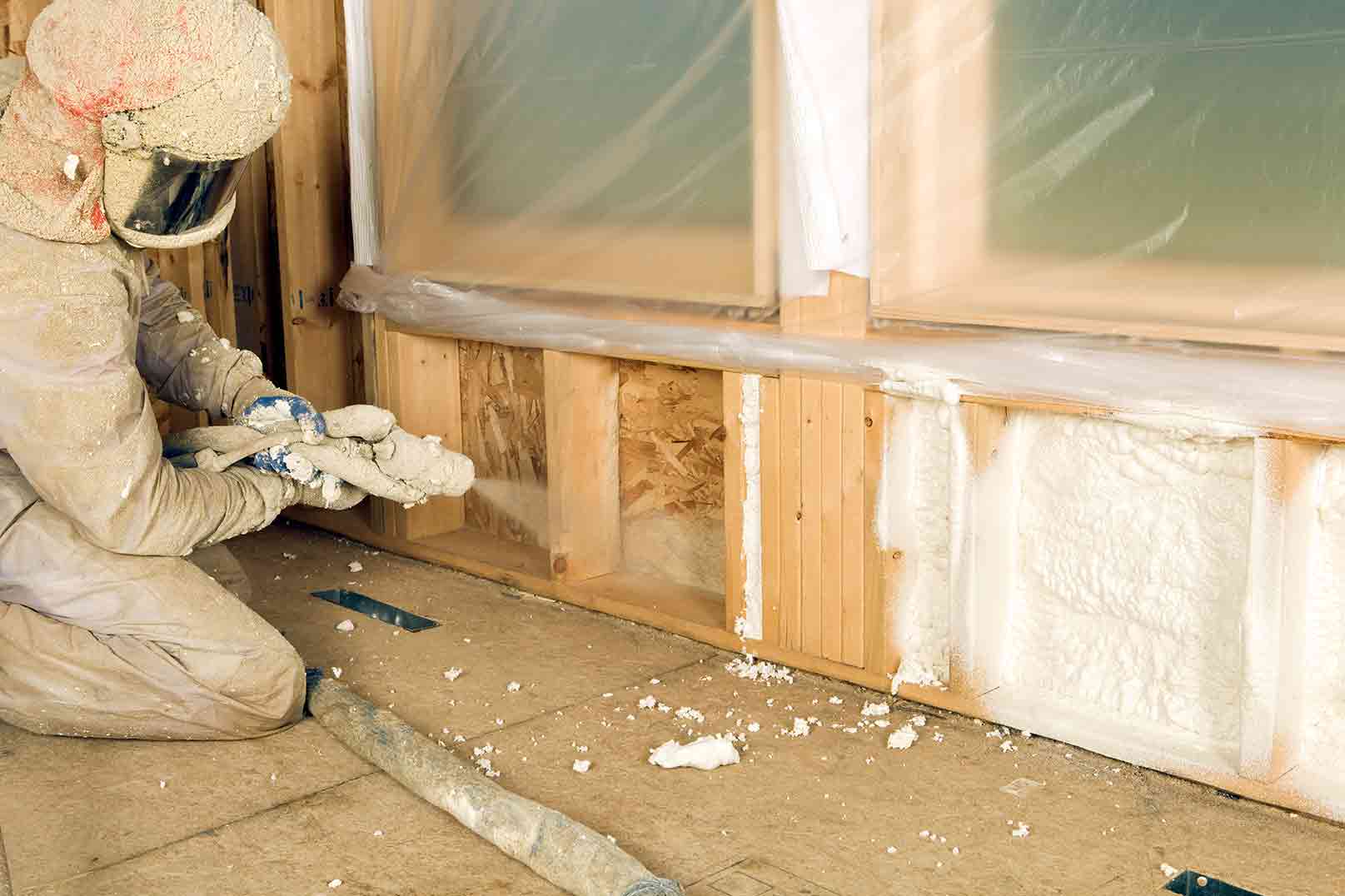
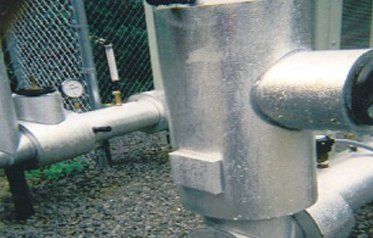
- Install insulation to cut back on condensation on cold surfaces like windows, exterior walls, pipes and floors.
- Mount tile around drinking fountains and classroom sinks and on the floor below.
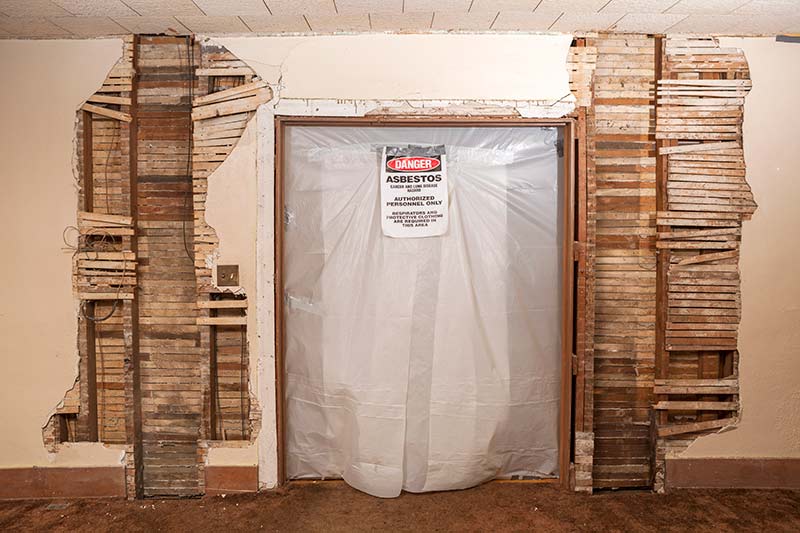
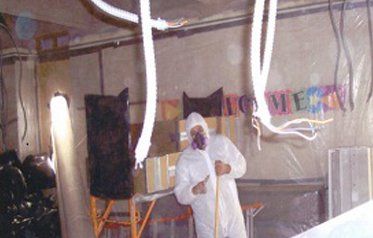
By controlling humidity levels, pathogens, mold, fungus and allergens are controlled as well. If mold is not removed after optimum humidity levels are reached, it can continue to affect the health of teachers and students. For further advice on controlling humidity and mold growth, installing insulation or remediating mold in classrooms and other buildings, contact the experts at Abate and Insulate, LLC.