Protect Your Employees and Customers From Asbestos
If you own a commercial business housed in an older building, your facility may contain asbestos products. To protect your workers and your clients, you may need to invest in upgrading your facility and safely remove the asbestos.
Keep reading to learn more about what asbestos is, why it’s dangerous and what you should do about it.
What Is Asbestos?
Asbestos is the name for a mineral group that naturally occurs as fiber bundles—you can find asbestos in nature in rocks and soil. Asbestos comes in two types: chrysotile, where the fiber forms in spirals, and amphibole, where the fibers form in straight lines. Chrysotile asbestos is much more commonly used.
Asbestos was a common building and industrial material for years because it has many desirable properties: it’s heat-resistant, strong and doesn’t conduct electricity. You can find asbestos in:
• Insulation• Cement
• Plastics
• Roofing
• Tiles
• Paints
However, the Environmental Protection Agency (EPA) banned the use of asbestos in 1989. If your commercial facility was built in 1990 or later, it shouldn’t contain asbestos—but if your facility was built earlier, it very well could.
Why Is Asbestos Dangerous?
Asbestos’ unique composition makes it very dangerous to humans. When a product containing asbestos gets damaged in some way, it releases tiny asbestos fibers into the air, where humans can breathe them in. If someone breathes in asbestos, the very small, very strong fibers will likely become stuck in the body—they’re nearly impossible for the body to get rid of or destroy.
Asbestos fibers are linked to three diseases:
• Asbestosis. When someone has breathed in asbestos, the fibers can get lodged in the lungs, and they then irritate the lung tissue and cause scarring. Patients with asbestosis have trouble breathing, and there is no known effective treatment.• Lung cancer. Lung cancer has been definitively linked to asbestos exposure—the more someone is exposed to asbestos, the more their risk of lung cancer rises. Additionally, other cancer types may also be linked to asbestos, including esophagus, stomach, larynx and kidney cancer.
• Mesothelioma. While this form of cancer is very rare, it is virtually always caused by asbestos exposure.
Generally, tiny amounts of asbestos aren’t too big of a risk. After all, asbestos can be found in rocks and dirt, but we still all go outside without worrying. However, the more someone is exposed to asbestos, the more their risk goes up. Consequently, those who live and work in a building containing asbestos or who work with asbestos products are most likely to develop serious health conditions.
What Should You Do?
The Occupational Safety and Health Administration (OSHA) requires that employers take steps to keep their employees safe from asbestos exposure. Depending on your facility and the type of work that you do, your employees may need to use protective equipment, and you may need to monitor your employees’ health. If you’re not sure how to comply with the law, reach out to your region’s OSHA office.
Asbestos is at its most dangerous when it’s friable, meaning that it is easily crumbled. For example, if you have asbestos in your insulation, your employees are more likely to be at risk because insulation is easily damaged, which will make it release asbestos fibers. However, if you have asbestos in your ceiling tile, it shouldn’t release any asbestos unless you break the tile.
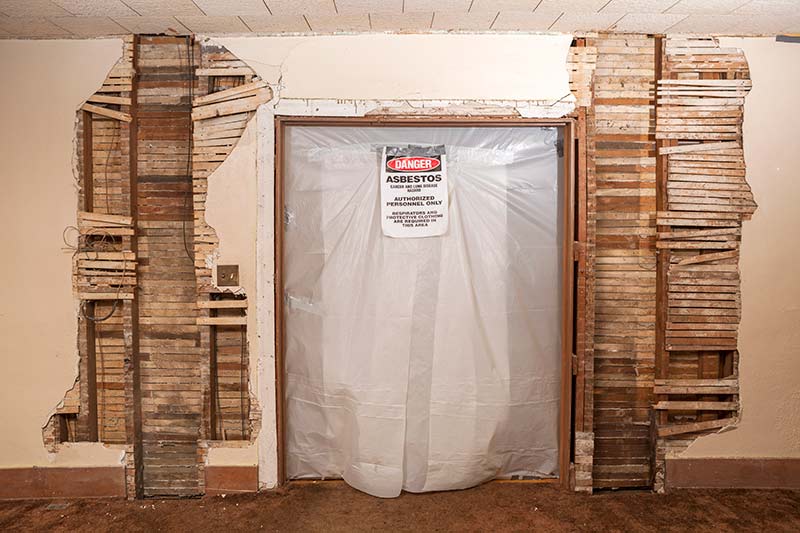
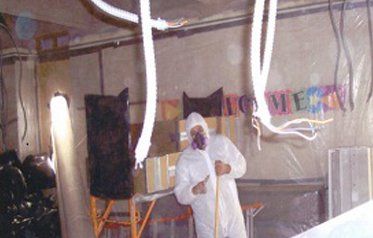
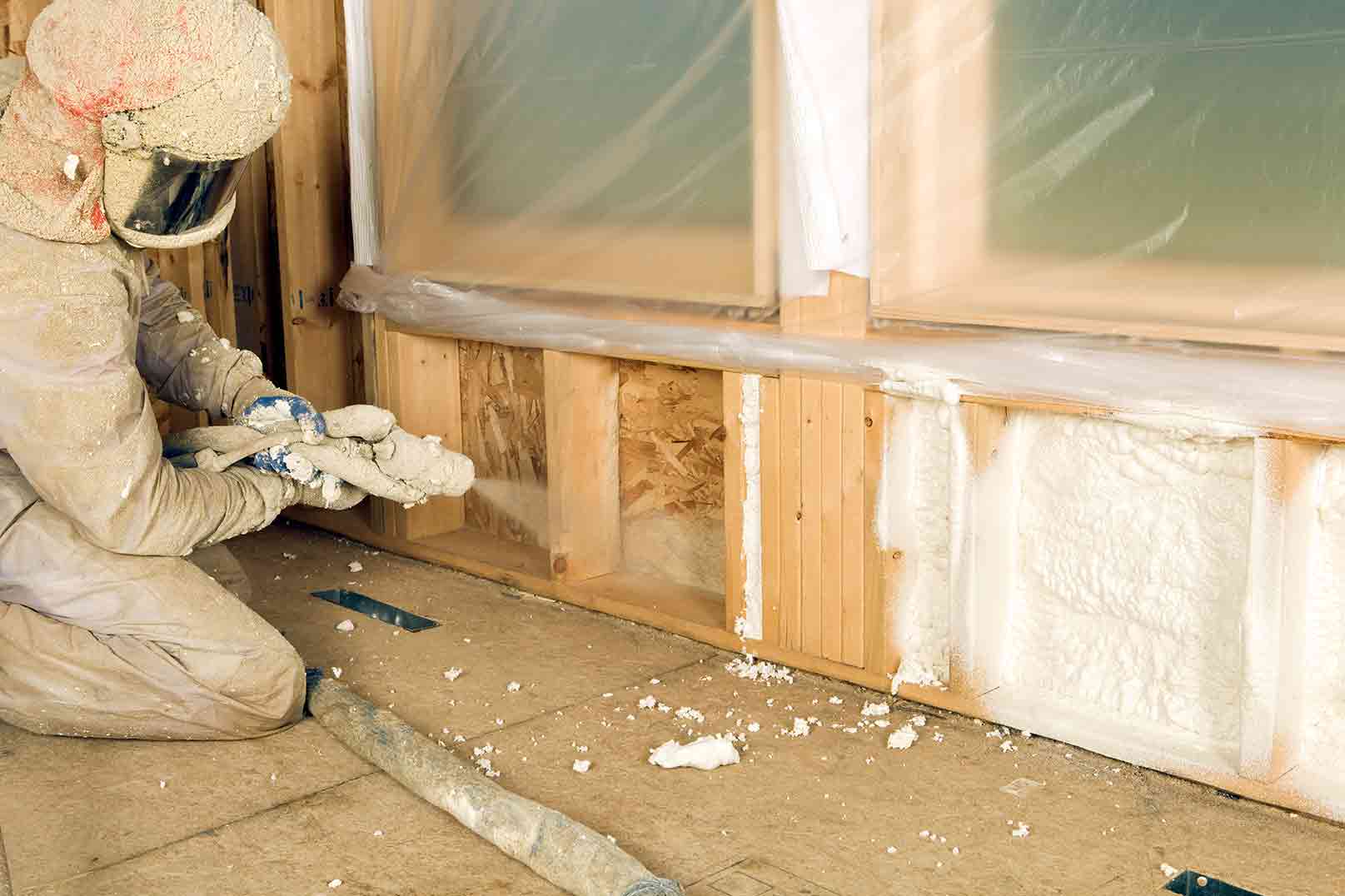
If you need to remove asbestos from your facility to protect your workers, don’t attempt this job yourself. When you break apart materials that contain asbestos, you release it into the air—so let professionals with specialized training and equipment handle the job.
If you’re in the Charleston, SC, area, contact Abate and Insulate, LLC, for asbestos removal. We’ll make your workplace safer for everyone.